The BFG (Movie, 2016)
 Based on Roald Dahl’s popular, award-winning novel The BFG (1982)
and an earlier short story from his book Danny,
the Champion of the World (1975), and an animated television movie (1989), the new, live action adaptation of The BFG (2016) is a marvel. The story centers on young, precocious orphan Sophie
whose curiosity and acuteness seems to put her at odds with Mrs. Clonkers who
runs the London orphanage at which she lives. Sophie longs for a happier and more
adventurous life. Almost immediately, Sophie is kidnapped and taken to Giant
Country where dwells a small band of giants who enjoy devouring children like “sugar
lumps.” Thus the adventures begin.
Based on Roald Dahl’s popular, award-winning novel The BFG (1982)
and an earlier short story from his book Danny,
the Champion of the World (1975), and an animated television movie (1989), the new, live action adaptation of The BFG (2016) is a marvel. The story centers on young, precocious orphan Sophie
whose curiosity and acuteness seems to put her at odds with Mrs. Clonkers who
runs the London orphanage at which she lives. Sophie longs for a happier and more
adventurous life. Almost immediately, Sophie is kidnapped and taken to Giant
Country where dwells a small band of giants who enjoy devouring children like “sugar
lumps.” Thus the adventures begin.
Heavy with symbolism, the movie is about jumping headlong
into the wonderment, mystery, of the universe in pursuit of our dreams. Before
the conclusion of the movie, we learn of the power inherent in dreams and the subconscious
imagination and that courage and personal power can help us face our fears.
With its mild bullying violence and its many allusions to people-eating and children-eating
giants, this family-friendly movie avoids becoming too scary for young children.
This cleverly composed Disney movie manages to squeeze in
all the familiar children movie conventions: appealing special effects and
visuals (like shape-shifting scenery), hyperkinetic antics, wacky amusements, great
physical tumbles and falls, characters getting slimed, toilet and body parts
humor, plot puzzles, suspense, and mystery, while touching on themes of
friendship, bullying, following one’s dreams, overcoming one’s fears, and
having faith. And, of course, as it’s directed by Stephen Spielberg, there is
the sentimental signature finger-touching-finger moment.
Ruby Barnhill gives a wonderfully feisty performance as the
super curious and courageous orphan Sophie. Mark Rylance provides great voice work
that embodies the good-natured, wise-folksy character of BFG. Penelope Wilton
as the Queen is perfectly understated. Jemaine Clement as the voice of giant
leader Fleshlumpeater and Bill Hader as the voice of Bloodbottler are menacing
without being too frightening. The rest of the cast, for the most part,
adequately express the story. Cinematography is nicely executed by Janusz Kamiński. Music is orchestrated by John Williams. All in
all, The BFG is a delightful cinematic thrill that
should tickle the fancy of both children and parents alike. For its power to amuse
and transport us into a magical world, The
BFG receives 4.5 out of five stars.
About the Reviewer
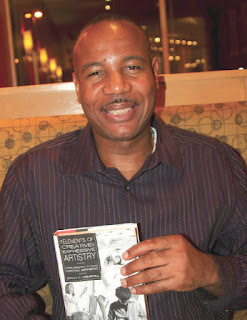
Brian K. Hemphill (bkhemphill@expressiveartistry.net) is an author, artist, blogger, teacher, and public speaker. He has explored a number of artistic disciplines, including fiction and poetry writing, visual art, drama, dance, and music. He now offers consultations, one-one-one coaching sessions, workshop presentations, and book talks about the factors that foster artistic creativity and expressiveness. His book is entitled The Elements of Creative and Expressive Artistry: A Philosophy for Creating Everything Artistic. Hemphill lives in the New York metropolitan area.
About the Book
The Elements of Creative and Expressive Artistry: A Philosophy for Creating Everything Artistic (www.elementsofartistry.net) is an all-artist guide which identifies the nine root elements common to all artistic fields and explains their significance in creating expressive art. This book is for adult and young adult performers, writers, and visual artists. The Elements of Creative and Expressive Artistry uses hundreds of relevant examples, citations, and quotations from prominent art professionals, philosophers, scientists, past and present, to support over 40 chapters. Through warm and insightful narrative, Hemphill offers advice from painters, sculptors, dancers, choreographers, actors, film directors, musicians, teachers, psychologists, scientists, philosophers, and critics, writing on all forms of art, including visual arts, literary arts, dramatic arts, musical arts, dance arts, and hybrid art forms. For advanced artists, critics, and teachers looking to understand artistic depth and nuance, The Elements of Creative and Expressive Artistry presents 36 additional elements branching from the nine root elements and suggests other avenues for artistic investigation and development. Although mainly written for the artist and arts professional, the non-artist who has a general love for art will also gain a deeper understanding and appreciation of art.
Brian K. Hemphill (bkhemphill@expressiveartistry.net) is an author, artist, blogger, teacher, and public speaker. He has explored a number of artistic disciplines, including fiction and poetry writing, visual art, drama, dance, and music. He now offers consultations, one-one-one coaching sessions, workshop presentations, and book talks about the factors that foster artistic creativity and expressiveness. His book is entitled The Elements of Creative and Expressive Artistry: A Philosophy for Creating Everything Artistic. Hemphill lives in the New York metropolitan area.
About the Book
The Elements of Creative and Expressive Artistry: A Philosophy for Creating Everything Artistic (www.elementsofartistry.net) is an all-artist guide which identifies the nine root elements common to all artistic fields and explains their significance in creating expressive art. This book is for adult and young adult performers, writers, and visual artists. The Elements of Creative and Expressive Artistry uses hundreds of relevant examples, citations, and quotations from prominent art professionals, philosophers, scientists, past and present, to support over 40 chapters. Through warm and insightful narrative, Hemphill offers advice from painters, sculptors, dancers, choreographers, actors, film directors, musicians, teachers, psychologists, scientists, philosophers, and critics, writing on all forms of art, including visual arts, literary arts, dramatic arts, musical arts, dance arts, and hybrid art forms. For advanced artists, critics, and teachers looking to understand artistic depth and nuance, The Elements of Creative and Expressive Artistry presents 36 additional elements branching from the nine root elements and suggests other avenues for artistic investigation and development. Although mainly written for the artist and arts professional, the non-artist who has a general love for art will also gain a deeper understanding and appreciation of art.

Comments
Post a Comment